WORKFORCE OBSERVERCovering the world of work
Spotlight
Previous Spotlight
Future of Work · Mon, Jul 13, 2026

Who is managing your AI agents?

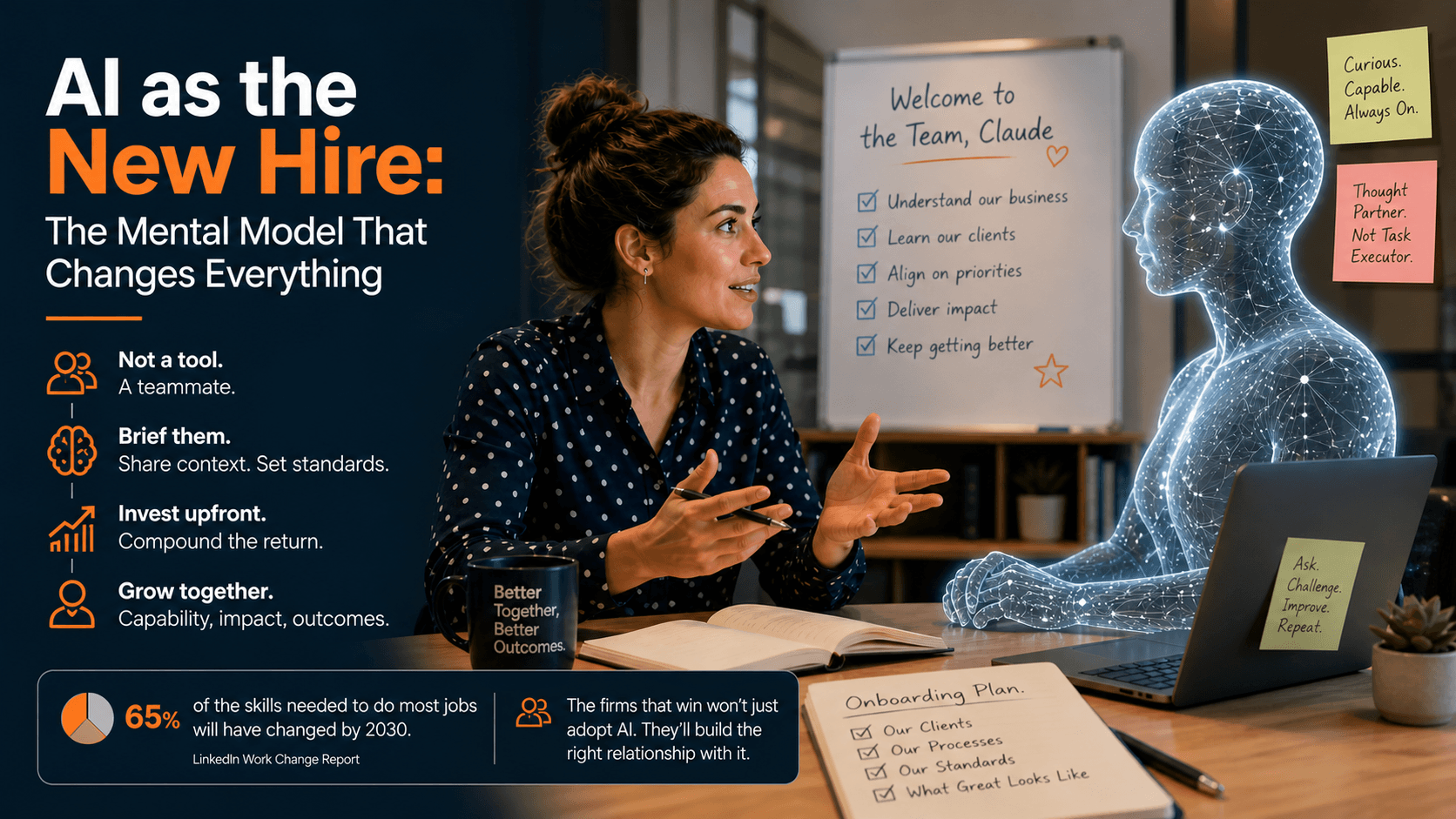
When every department deploys its own AI tools without visibility, organizations accumulate redundant agents and invisible costs. It's time to treat AI agents like employees—giving them a defined identity, a clear scope of authority, and a manager to ensure they deliver measurable value.

Read more →
Future of Work · Mon, Jun 15, 2026

The New Global Hiring Equation: AI, Compliance, and Employee Experience

Global hiring is entering a new era defined by the intersection of AI, compliance, and employee experience. As companies expand across borders to access global talent, they face growing regulatory complexity and rising expectations from employees. Employer of Record (EOR) providers are evolving from simple payroll solutions into critical infrastructure, helping organizations navigate compliance, scale international hiring, and create seamless employee experiences. The future of global workforce expansion will belong to providers that combine technology with deep operational expertise and human support.

Read more →
Future of Work · Tue, Jun 9, 2026

The Corporate HR Opportunity Most Staffing Firms Overlook

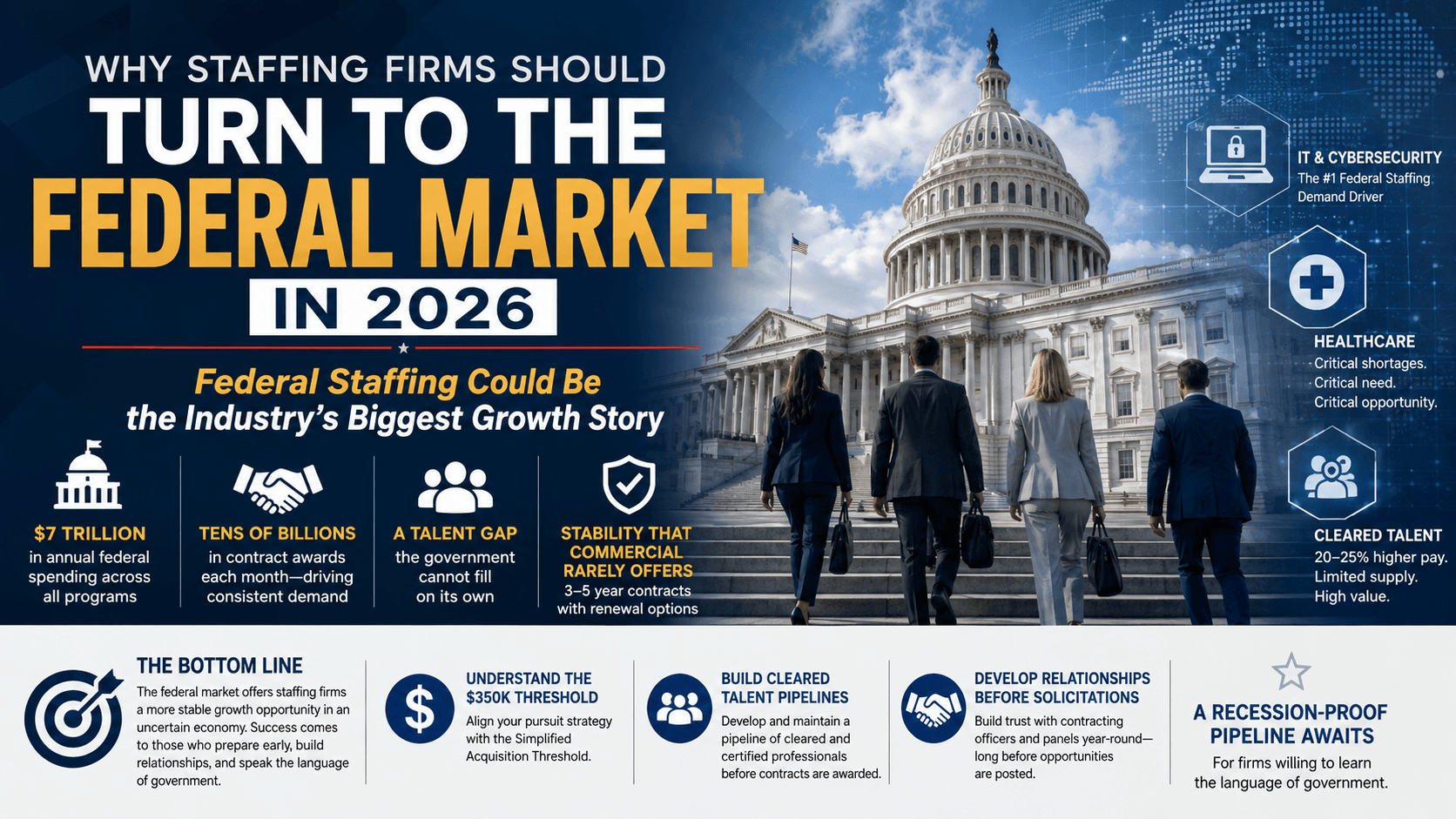
Most staffing firms wait for a requisition before engaging. The most valuable ones don't. As organizations grapple with leadership succession, skills shortages, and long-term workforce planning, a growing opportunity exists for staffing firms to move beyond transactional hiring and become strategic talent partners. By helping HR leaders build future leadership pipelines before vacancies emerge, firms can create deeper relationships, deliver greater value, and earn a lasting seat at the workforce planning table.

Read more →
Future of Work · Mon, Jun 1, 2026

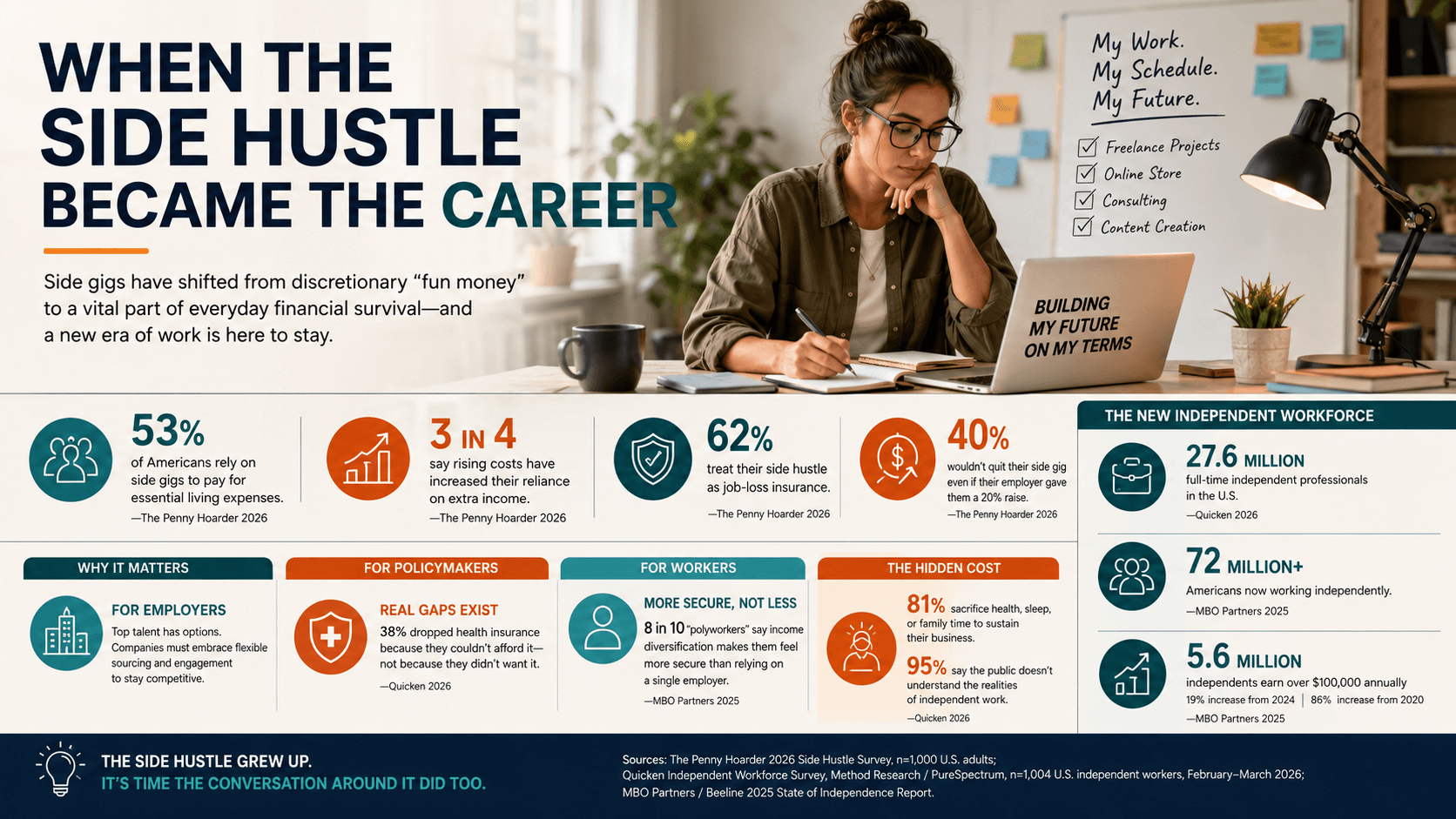
When the Side Hustle Became the Career

What began as a side hustle has become a permanent career path for millions of Americans. As rising costs reshape the workforce, independent work is no longer just extra income—it’s a core source of financial security, professional identity, and economic resilience. For employers and workforce leaders, this shift signals a fundamental change in how talent works, engages, and builds careers.

Read more →
HR’s Greatest Evolution: Meet the Chief Workforce Officer
AI · Mon, Aug 24, 2026

HR’s Greatest Evolution: Meet the Chief Workforce Officer

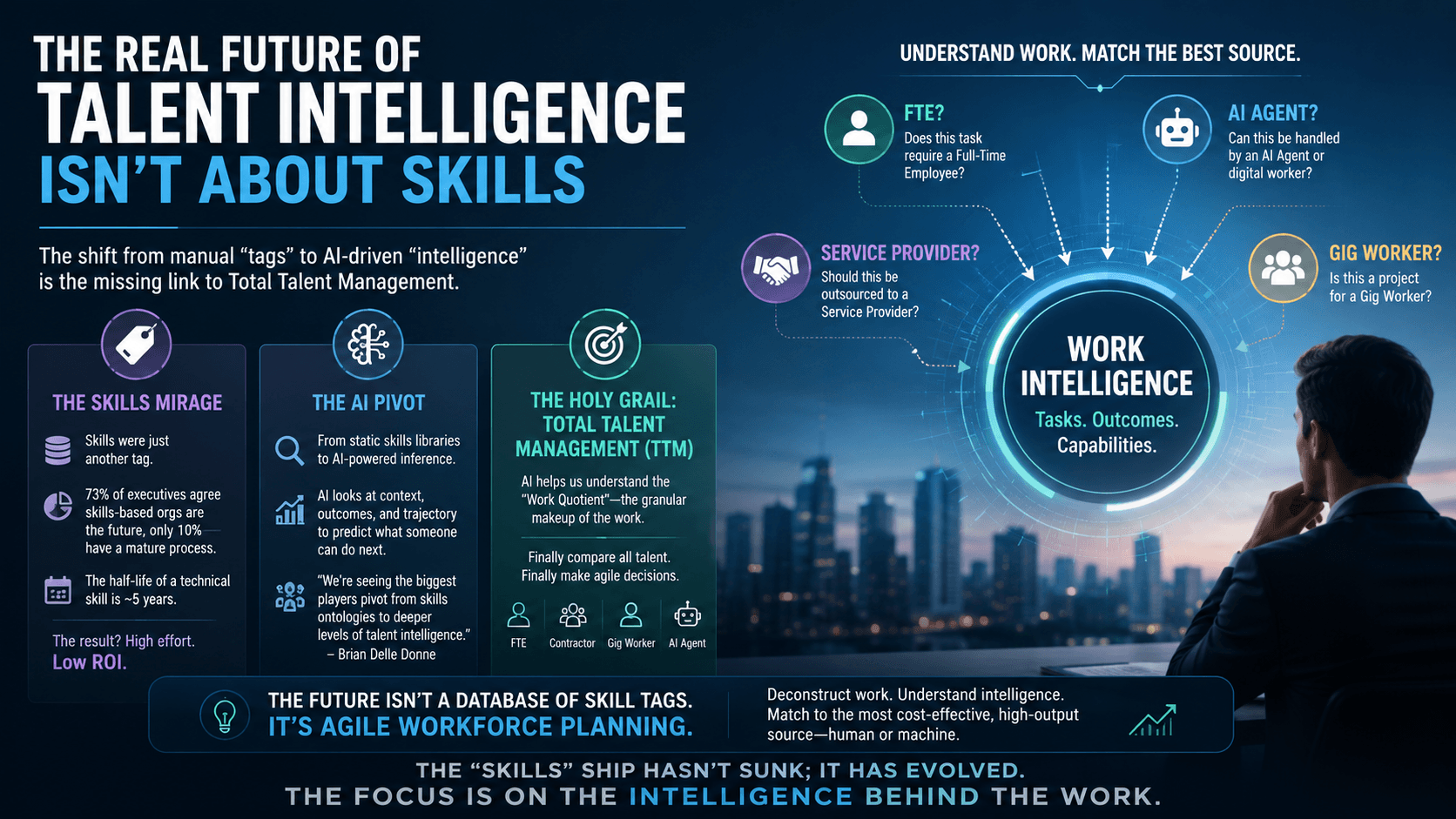
AI is reshaping not just who does the work, but who owns and designs it giving rise to the emerging Chief Work Officer. As HR evolves from managing people to managing the architecture of work, demand is shifting toward strategic, AI-fluent talent, creating new opportunities for HR leaders and staffing firms.

More from the Desks

Daily Brief Aug 28, 2026: AI Layoffs Backfire as Labor Market Indicators Send Mixed Signals

Recent data highlights the hidden costs of AI-driven workforce reductions even as overall hiring demand remains resilient.

Read brief →

Treasury Secretary: Mass Deportations Reshape U.S. Job Creation Outlook

**The big picture:** Treasury Secretary Scott Bessent asserts that the U.S. no longer needs to create as many jobs, directly attributing this shift to the Trump administration's mass deportation strategy. This signals a significant re-evaluation of labor market demand and workforce needs. **Why it matters:** This statement from a senior economic official could profoundly impact workforce planning, talent acquisition strategies, and long-term labor market projections for staffing and corporate leaders. It suggests a potential contraction in the available labor pool and a redefinition of talent needs. **Between the lines:** - Treasury Secretary Scott Bessent made the remarks, linking immigration policy directly to economic labor demand. - The statement follows a recent report indicating shifts in the U.S. job market. - The Trump administration's mass deportation strategy is cited as the primary driver for the reduced need for job creation. **Staffing & HR impact:** A shrinking labor pool due to deportations could intensify competition for skilled workers, potentially driving up wages and impacting recruiter mobility as talent becomes scarcer. Staffing firms may need to adjust their sourcing strategies and client expectations regarding candidate availability and time-to-fill metrics. **The bottom line:** The intersection of immigration policy and labor market demand is poised to be a critical factor shaping future workforce strategies.

Read brief →

HR’s Greatest Evolution: Meet the Chief Workforce Officer

AI is reshaping not just who does the work, but who owns and designs it giving rise to the emerging Chief Work Officer. As HR evolves from managing people to managing the architecture of work, demand is shifting toward strategic, AI-fluent talent, creating new opportunities for HR leaders and staffing firms.

Read more →

AI Is Flooding the Market with Talent—So Why Is Hiring Getting Harder?

The most urgent skills gap in today’s labor market isn’t technical—it’s human. As AI floods the market with polished resumes, the ability to identify durable capabilities like critical thinking and collaboration is becoming the new gold standard in hiring.

Read more →
  • Treasury Secretary: Mass Deportations Reshape U.S. Job Creation Outlook

    **The big picture:** Treasury Secretary Scott Bessent asserts that the U.S. no longer needs to create as many jobs, directly attributing this shift to the Trump administration's mass deportation strategy. This signals a significant re-evaluation of labor market demand and workforce needs. **Why it matters:** This statement from a senior economic official could profoundly impact workforce planning, talent acquisition strategies, and long-term labor market projections for staffing and corporate leaders. It suggests a potential contraction in the available labor pool and a redefinition of talent needs. **Between the lines:** - Treasury Secretary Scott Bessent made the remarks, linking immigration policy directly to economic labor demand. - The statement follows a recent report indicating shifts in the U.S. job market. - The Trump administration's mass deportation strategy is cited as the primary driver for the reduced need for job creation. **Staffing & HR impact:** A shrinking labor pool due to deportations could intensify competition for skilled workers, potentially driving up wages and impacting recruiter mobility as talent becomes scarcer. Staffing firms may need to adjust their sourcing strategies and client expectations regarding candidate availability and time-to-fill metrics. **The bottom line:** The intersection of immigration policy and labor market demand is poised to be a critical factor shaping future workforce strategies.

  • AI Layoffs Backfire: Organizations Reassess Automation's True Cost

    **The big picture:** A significant majority of organizations are discovering that replacing staff with AI has resulted in higher costs than savings, leading many to regret their initial automation strategies. This trend challenges the conventional wisdom around AI-driven workforce reductions.nn**Why it matters:** This trend forces workforce and staffing leaders to critically re-evaluate the financial and operational viability of AI-driven workforce reductions, emphasizing human-AI collaboration over pure replacement.nn**Between the lines:** n - Three-quarters of organizations reported AI layoffs cost more than they saved.n - As many as nine in 10 companies would reconsider their decision to implement AI layoffs.nn**Staffing & HR impact:** Staffing firms must pivot from purely cost-cutting AI solutions to value-generating human-AI integration, impacting recruiter training and the types of talent in demand. HR leaders will need to focus on upskilling and reskilling strategies rather than solely on headcount reduction.nn**The bottom line:** The initial rush to replace humans with AI is giving way to a more nuanced understanding of its true economic and operational implications.

    Newsvia zdnet.com· 35h
  • Workforce Leaders Confront AI's 'Gatekeeping Bots' and Quality Control Dilemma

    **The big picture:** Workforce leaders are increasingly grappling with the dual challenges posed by AI: automated 'gatekeeping bots' in hiring processes and a surge of low-quality, AI-generated content dubbed 'piles of slop' in daily operations. This new era of 'AI weirdness at work' demands a re-evaluation of talent acquisition and quality assurance strategies.P**Why it matters:** For staffing and talent acquisition executives, these trends directly impact the efficiency and effectiveness of candidate screening, the quality of deliverables, and the overall integrity of the talent pipeline. Navigating AI's pitfalls is crucial for maintaining competitive advantage and operational excellence.P**Between the lines:** P - AI-powered 'gatekeeping bots' are automating initial candidate screening, potentially filtering out qualified talent based on algorithmic biases or narrow criteria.P - The proliferation of AI-generated content, or 'slop,' creates a significant quality control burden, requiring human oversight to discern valuable output from noise.P - Organizations face a growing challenge in distinguishing authentic human contributions from AI-assisted work, impacting performance evaluations and skill development.P**Staffing & HR impact:** Recruiters must adapt to working alongside AI screeners, focusing on higher-value human assessment and bias mitigation, while HR departments need new frameworks for evaluating AI-assisted work and ensuring data integrity. This shift impacts recruiter mobility, requiring new skill sets, and could affect gross margins if quality control measures are not efficient.P**The bottom line:** The age of AI weirdness requires proactive strategies to harness AI's benefits while mitigating its risks to talent quality and operational efficiency.

    Newsvia cnbc.com· 36h
  • AI Reshapes Work, But Job Apocalypse Remains Elusive

    **The big picture:** Despite rapid AI adoption across the economy, current data indicates no rise in unemployment, challenging widespread predictions of an immediate AI-driven job apocalypse. Artificial intelligence is fundamentally altering how work is done, rather than eliminating entire roles outright. **Why it matters:** Staffing and talent acquisition leaders must pivot from fear of mass displacement to strategic planning for skill transformation and workforce adaptation. Understanding AI's nuanced impact is crucial for future talent development and recruitment strategies. **Between the lines:** - AI is actively reshaping tasks across diverse economic sectors. - No single job has yet seen all its associated tasks fully systematized or automated by AI. **Staffing & HR impact:** This trend suggests a greater emphasis on upskilling and reskilling existing workforces, impacting talent development budgets and internal mobility programs. Recruiters will increasingly focus on identifying candidates with hybrid skills that combine human judgment with AI proficiency, influencing gross margins through specialized talent placement. **The bottom line:** The

    Newsvia thefp.com· 36h
  • U.S. Unemployment Claims Dip, Signaling Sustained Labor Market Stability for Workforce Planning

    **The big picture:** U.S. unemployment claims saw a slight decrease last week, indicating a continued trend of stability within the national job market. This suggests a resilient labor environment despite previous concerns about slowing employment growth. **Why it matters:** For staffing agencies and talent acquisition executives, this stability points to consistent demand and a predictable talent pool, crucial for strategic workforce planning and recruitment pipeline management. **Between the lines:** - The number of Americans filing for unemployment benefits declined in the latest reporting period. - This dip reinforces the ongoing strength and stability of the U.S. labor market. **Staffing & HR impact:** A stable labor market can lead to more predictable hiring cycles and potentially less recruiter churn, allowing staffing firms to optimize resource allocation and maintain healthy gross margins. HR leaders can focus on talent retention and development rather than urgent backfilling. **The bottom line:** The consistent low level of jobless claims underscores a robust employment landscape, providing a solid foundation for future economic and workforce strategies.

    Newsvia reuters.com· 37h
More Stories
From the Editor
Subadhra SriramBy Subadhra Sriram

Workforce Observer is edited by Subadhra Sriram, covering the people, technology, and policy shaping how the staffing industry works.

Subscribe